10 Real-World Driving Skills Beginners Need Before Driving Alone
Passing your driving test feels like a huge milestone but many new drivers quickly realize that having a license doesn’t automatically make you confident behind the wheel.
During lessons, instructors often help guide your decisions and correct mistakes in real time. Once you begin driving alone, you’re responsible for handling busy intersections, parking challenges, highway traffic, distracted drivers, and unexpected road situations on your own.
That’s why learning practical driving skills beyond the test is so important. These real-world habits help beginner drivers stay safe, reduce anxiety, and build long-term confidence.
If you’re still preparing for your exam, read our guide on how to pass your driving test on your first try before focusing on independent driving.
1. Master Basic Vehicle Control First
Before driving alone, basic vehicle control should feel natural and consistent.
This includes:
- Smooth steering
- Gradual acceleration
- Controlled braking
- Proper mirror adjustments
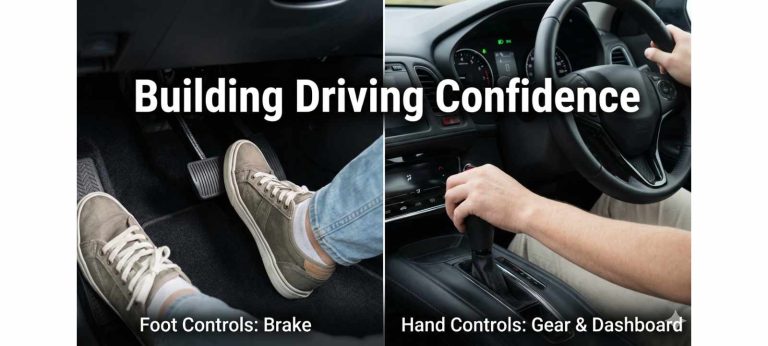
- Understanding dashboard controls
- Maintaining steady lane positioning
Many beginners panic because they still struggle with basic movements like oversteering, braking too hard, or reacting too quickly.
Make sure your seat is positioned properly so you can comfortably reach pedals and maintain full visibility of mirrors and blind spots. Keep both hands positioned correctly on the steering wheel and avoid sudden movements.
If basic control still feels uncomfortable, practice in quiet neighborhoods or empty parking lots before driving in heavy traffic.
If you’re just getting started, review what to expect from your first driving lesson to better understand early learning stages.
2. Learn Safe Lane Changes and Blind Spot Awareness
Changing lanes safely requires awareness and timing.
Before switching lanes:
- Check your rearview mirror
- Check side mirrors
- Look over your shoulder
- Use turn signals early
- Move gradually into the next lane
Blind spot mistakes are one of the most common beginner driving errors.
Practice lane changes on less crowded roads before attempting highway traffic.
3. Practice Parking in Real-Life Situations
Parking anxiety is extremely common for beginner drivers.
You should practice:
- Parallel parking
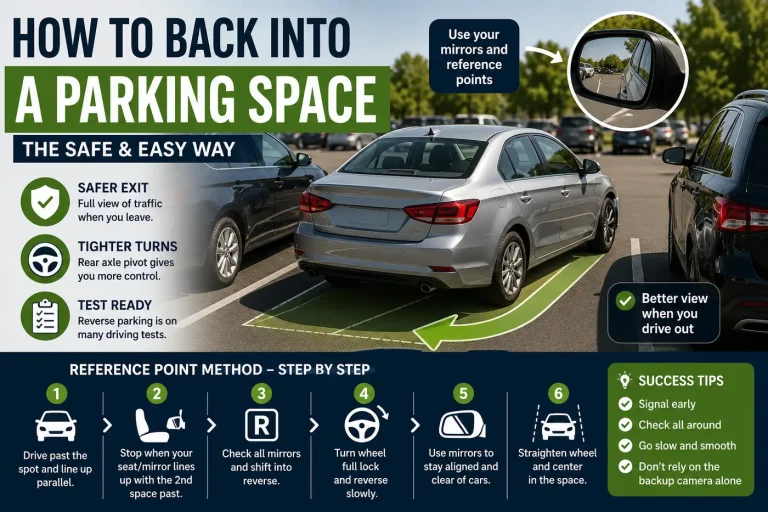
- Reverse parking
- Parking between vehicles
- Tight parking lots
- Parking garages
Start in empty parking lots before moving into crowded spaces.
Learn how to use mirrors and backup cameras properly but never rely entirely on cameras. Good parking skills develop through repetition and patience.
If parking continues to feel difficult, additional student driving lessons can help improve confidence faster.
4. Navigate Intersections and Traffic Signals Safely
Intersections are one of the most common locations for accidents involving new drivers.
Learn how to confidently handle:
- Four-way stops
- Traffic lights
- Yield signs
- Pedestrian crossings
- Right-of-way situations
Always slow down and scan your surroundings before entering intersections.
Never rush yellow lights or assume other drivers will always follow traffic rules.
5. Learn Highway Merging Before Driving Alone
Highway driving can feel intimidating for beginners because traffic moves faster and mistakes happen quickly.
Focus on:
- Matching traffic speed
- Checking blind spots
- Using entrance ramps correctly
- Planning exits early
- Staying calm around aggressive drivers
Start by driving on highways during non-peak hours when traffic is lighter.
As your confidence grows, you can gradually handle busier roads.
6. Practice Real-Life Driving Situations Most Beginners Ignore
Many new drivers repeatedly practice the same routes but avoid unpredictable real-world situations.
These experiences matter:
Gas Stations
You need to safely maneuver around pumps, parked cars, and tight spaces.
Drive-Thrus
These often have narrow turns that challenge steering control.
Rush-Hour Traffic
Stop-and-go traffic teaches patience and braking control.
School Zones
Children may cross unexpectedly, requiring extra attention.
Unfamiliar Roads
Using GPS while driving can create distractions if you aren’t prepared.
Driving With Passengers
Friends can easily become distractions for inexperienced drivers.
These real-world situations help you become comfortable with everyday driving challenges.
7. Stay Calm During Your First Solo Drive
Your first solo drive can feel stressful but planning helps reduce anxiety.
To make it easier:
- Choose familiar roads
- Drive during daylight
- Avoid rush hour
- Keep distractions low
- Plan your route beforehand
- Put your phone on Do Not Disturb
Start with short drives before attempting longer trips.
If you feel overwhelmed, safely pull over and regroup.
Avoid driving when extremely tired, stressed, or emotionally distracted.
8. Know How to Handle Basic Driving Emergencies
Unexpected problems can happen to anyone.
Be prepared for:
- Flat tires
- Dead batteries
- Vehicle breakdowns
- Missing exits
- Aggressive drivers
Keep emergency contacts saved in your phone.
Learn how to use hazard lights and keep a basic roadside emergency kit in your vehicle.
If your car breaks down on a highway, move to a safe location and call roadside assistance.
9. Build Defensive Driving Habits
Defensive driving protects you from mistakes made by other drivers.
Important habits include:
- Keeping a safe following distance
- Watching traffic ahead
- Avoiding distractions
- Staying patient
- Anticipating risky behavior from others
For example:
- A driver may suddenly brake
- Someone may cut into your lane
- Distracted drivers may drift between lanes
Staying alert helps prevent accidents.
You may also benefit from professional driving classes that focus on defensive driving techniques.
10. Learn Basic Weather Driving Skills
Driving conditions aren’t always ideal.
Beginners should understand how weather affects road safety:
- Rain reduces tire traction
- Fog lowers visibility
- Snow creates slippery roads
- Ice increases stopping distance
If you live in colder areas, read our guide on how to drive on ice safely for additional winter driving tips.
How Do You Know You’re Ready to Drive Alone?
Ask yourself:
- Can you park confidently?
- Can you merge safely?
- Can you drive for 30 minutes without stress?
- Can you stay calm after small mistakes?
- Can you navigate unfamiliar roads?
If the answer is no to several of these questions, additional practice may help.
Common Beginner Driving Mistakes to Avoid
Many new drivers struggle with:
- Speeding
- Tailgating
- Distracted driving
- Late braking
- Forgetting turn signals
- Panic lane changes
Fixing these habits early can make you a safer driver.
Frequently Asked Questions
How long does it take to feel confident driving alone?
It varies for everyone, but many new drivers feel more comfortable after several weeks of consistent practice.
What is the hardest skill for beginner drivers?
Parking and highway merging are often the most difficult skills for beginners.
Should beginners drive on highways?
Yes but start during low-traffic times and gradually build confidence.
How often should new drivers practice?
Frequent short practice sessions are often more effective than long, exhausting drives.
Final Thoughts
Passing your driving test is only the first step.
Real confidence comes from practicing real-world situations, staying mentally focused, and learning how to handle unexpected challenges safely.
If you still feel nervous driving alone, professional instruction can help you improve faster. Explore Driving School Near Me to find trusted instructors and continue building your confidence behind the wheel.