What to Expect From Your First Driving Lesson (Step-by-Step Guide for Beginner Drivers)
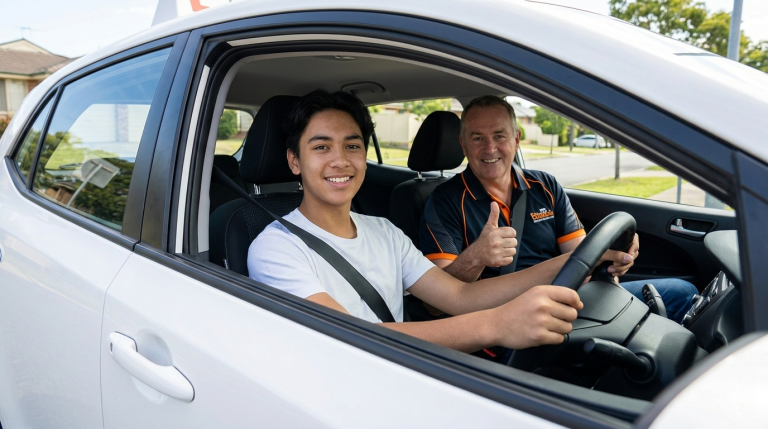
Your first driving lesson usually begins with a short introduction from your driving instructor, followed by a cockpit drill where you adjust the seat, mirrors, and steering wheel. After learning the basic car controls such as the accelerator, brake pedal, gear selector, and indicators, you will practice simple driving skills like moving off, steering, and braking in a quiet area such as a parking lot or residential street.
For most beginner drivers, the first lesson focuses on understanding the vehicle and building confidence, not driving in busy traffic.
Knowing what to expect before your first lesson helps reduce anxiety and allows you to focus on learning the fundamentals of safe driving.
Why Your First Driving Lesson Is Important for Beginner Drivers
Your first driving lesson is the foundation of your entire driver training process. It introduces the essential skills and safety habits that every driver needs before driving on busy roads.
A certified driving instructor provides step-by-step guidance and supervises every movement to ensure beginner drivers learn safe driving habits from the beginning.
Professional training programs, such as structured professional driving classes, help students understand both the theory and practical skills required for safe driving.
During this early stage of driver training, the focus is on:
- Understanding the vehicle
- Learning basic driving controls
- Developing road awareness
- Building driving confidence
These foundational skills prepare you for more advanced driving lessons later.
What Happens When You Arrive for Your First Driving Lesson
Most lessons begin with a short conversation between you and your driving instructor. This introduction helps the instructor understand your experience level and explain how the lesson will proceed.
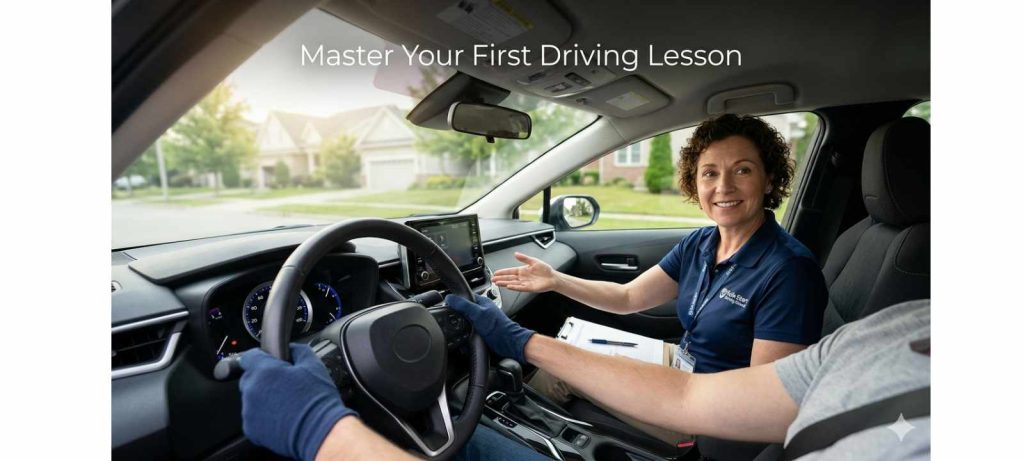
During the first few minutes, your instructor may:
- Introduce themselves and explain the lesson plan
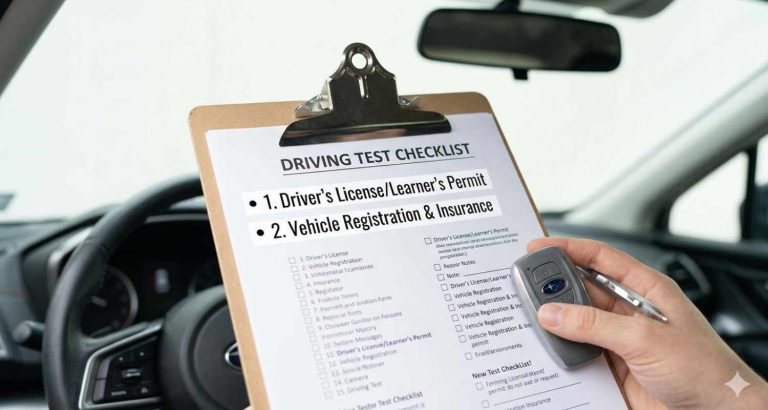
- Check your learner’s permit or driving authorization
- Ask about your previous driving experience
- Explain the safety features of the training vehicle
Driving instructors are trained to teach beginners. They expect many students to have little or no driving experience.
The Cockpit Drill: Setting Up the Car Before Driving
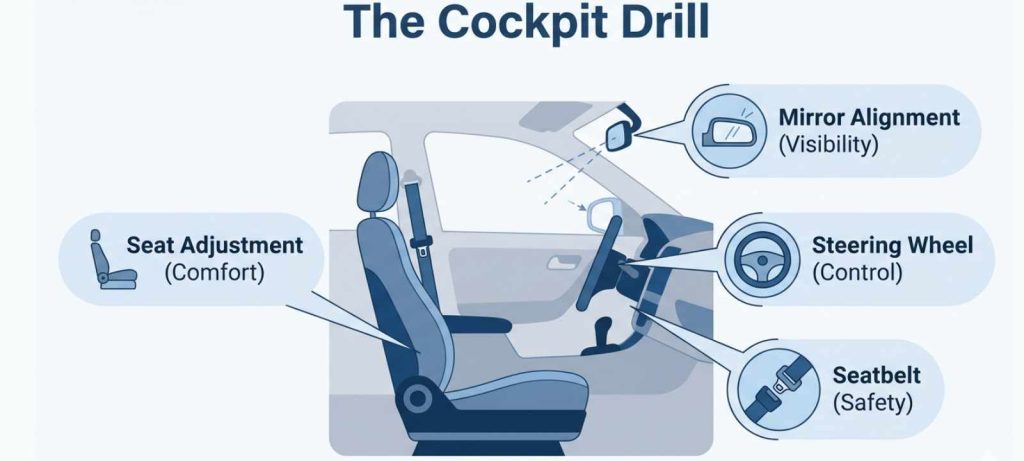
Before starting the engine, your instructor will guide you through the cockpit drill, which prepares you to drive safely and comfortably.
This process ensures that your seating position, mirrors, and steering wheel are properly adjusted.
Seat Adjustment
Your seat should allow you to press the brake pedal fully while keeping your back against the seat. Your knees should remain slightly bent.
Mirror Adjustment
Your instructor will help you adjust the rearview mirror and side mirrors so you can see traffic behind you and reduce blind spots.
Steering Wheel Position
Your arms should reach the steering wheel comfortably with a slight bend in the elbows.
Seatbelt Check
The seatbelt must be properly secured before the car begins moving.
This setup improves visibility, posture, and vehicle control, which are essential for safe driving.
Understanding the Basic Car Controls
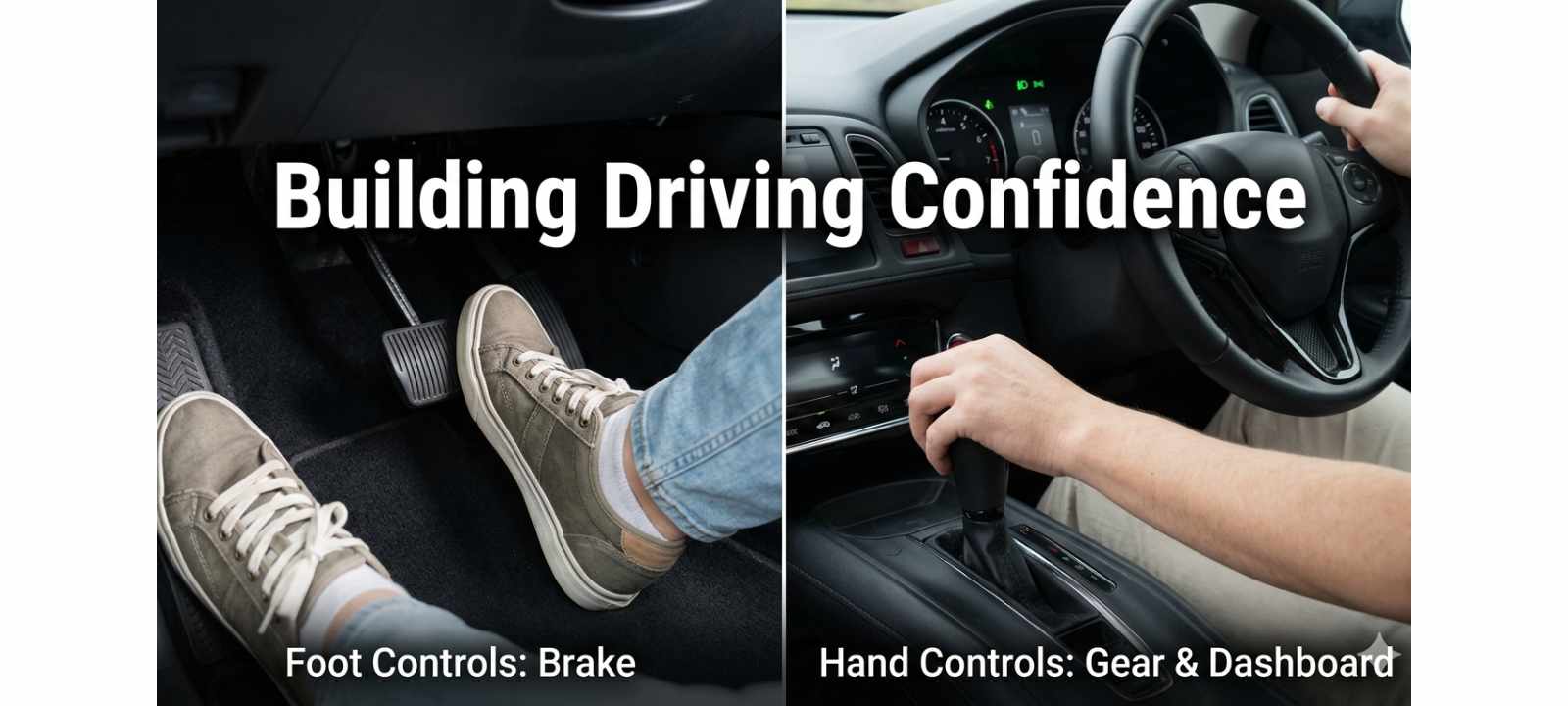
One of the main goals of the first lesson is to familiarize beginner drivers with the vehicle controls.
Your instructor will explain how each control works and how it affects the movement of the car.
Important car controls include:
Accelerator Pedal
Controls the speed of the vehicle by increasing engine power.
Brake Pedal
Slows down or stops the vehicle safely.
Clutch (Manual Vehicles)
Used when changing gears in manual transmission cars.
Gear Selector or Gear Stick
Allows you to select the appropriate gear for driving.
Handbrake or Parking Brake
Keeps the vehicle stationary when parked.
Indicators (Turn Signals)
Communicate your turning intentions to other drivers.
Dashboard Controls
Display important information such as speed, fuel level, and warning lights.
Understanding these controls helps beginner drivers develop vehicle awareness and speed control.
Where Your First Driving Lesson Usually Takes Place
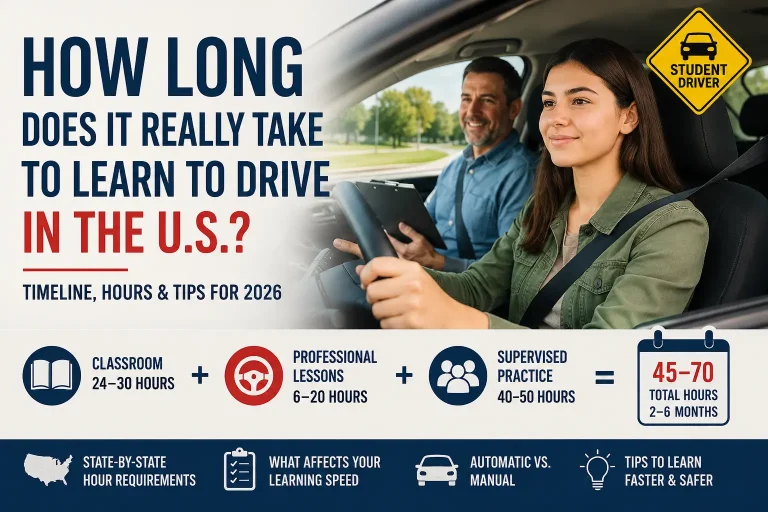
Many beginners worry about driving in heavy traffic during their first lesson. In reality, instructors usually start in low-traffic environments where learners can practice safely.
Common locations include:
- Empty parking lots
- Quiet residential streets
- Low-speed neighborhood roads
These areas provide a safe environment where beginner drivers can practice steering, accelerating, braking, and lane positioning without the pressure of busy traffic.
Many beginner drivers start their training through structured student driving lessons designed specifically for new drivers.
Basic Driving Skills You Will Practice in Your First Lesson
Once you are comfortable with the vehicle controls, your instructor will guide you through a few essential driving skills.
These foundational skills include:
Moving Off Smoothly
Learning how to gently accelerate and start driving.
Steering Control
Keeping the car centered while maintaining steady steering.
Controlled Braking
Practicing smooth stops without sudden braking.
Simple Turning
Making basic turns at low speeds.
Observation and Mirror Checks
Developing awareness of traffic, pedestrians, and road conditions.
These basic maneuvers form the foundation for more advanced driving techniques.
How Driving Instructors Keep First-Time Drivers Safe
Driving schools prioritize safety during beginner lessons. Most training vehicles are equipped with special safety features designed for driver training.
Many vehicles used in lessons include dual-control systems, which allow instructors to intervene if necessary.
These safety systems include:
- Instructor brake pedal
- Instructor supervision
- Real-time driving guidance
Working with one-on-one driving instructors allows beginner drivers to receive personalized instruction and immediate feedback.
This supervised learning environment helps students feel safe while learning essential driving skills.
What You Will NOT Do in Your First Driving Lesson
Many beginner drivers worry about being asked to perform difficult tasks during their first lesson. However, instructors rarely introduce complex driving situations at this stage.
During your first lesson, you typically will not:
- Drive on highways
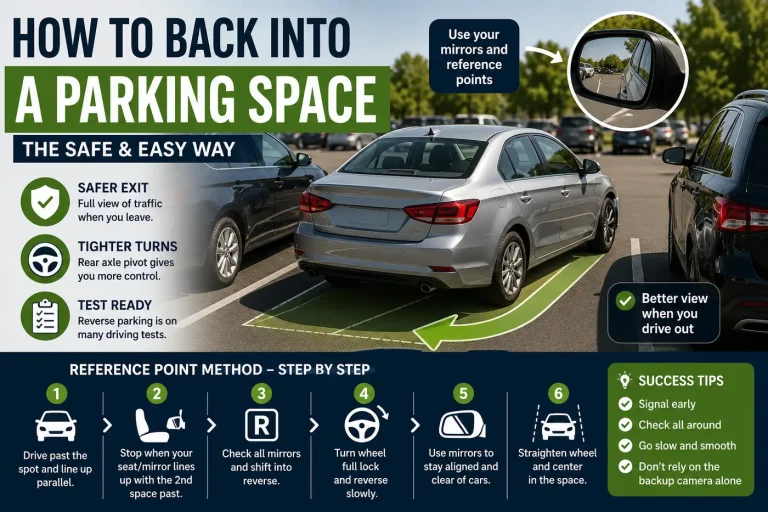
- Practice parallel parking
- Navigate busy intersections
- Drive in heavy traffic
The focus remains on basic vehicle control and confidence building.
Typical Timeline of a First Driving Lesson
Although lesson formats vary between driving schools, most first lessons follow a similar timeline.
| Lesson Time | Activity |
| First 5–10 minutes | Instructor introduction and document check |
| Next 10 minutes | Cockpit drill and vehicle setup |
| Next 30–40 minutes | Basic driving practice in a quiet area |
| Final 10 minutes | Instructor feedback and improvement tips |
This structured approach helps beginner drivers gradually build confidence and develop safe driving habits.
Is It Normal to Feel Nervous During Your First Driving Lesson?
Feeling nervous before your first driving lesson is completely normal. Many beginner drivers feel uncertain because they are learning a new skill.
However, most students quickly realize that driving becomes easier once the lesson begins.
To manage nervousness:
- Focus on one instruction at a time
- Listen carefully to your instructor’s guidance
- Remember that mistakes are part of the learning process
Driving instructors are trained to help students remain calm and confident during the learning process.
Common Beginner Mistakes During the First Lesson
Nearly every beginner makes small mistakes while learning to drive. These mistakes are part of the learning process and help instructors provide feedback.
Common beginner mistakes include:
- Pressing the accelerator too hard
- Braking suddenly
- Gripping the steering wheel too tightly
- Looking too close to the front of the car instead of further down the road
With practice and instructor guidance, these mistakes usually improve quickly.
What Happens in Your Second Driving Lesson
The second driving lesson builds on the skills learned during the first session.
You may begin practicing:
- Driving on slightly busier roads
- Turning at intersections
- Maintaining lane positioning
- Improving traffic awareness
Each lesson gradually introduces more complex driving situations as your confidence improves.
Start Learning With a Professional Driving School
Learning to drive is easier when you receive guidance from experienced instructors. At Driving School Near Me, beginner drivers receive structured training designed to build confidence and develop safe driving habits.
Our instructors provide step-by-step guidance to help students progress from their first driving lesson to becoming confident drivers on the road.
If you want to continue improving your driving knowledge, visit our driving school blog where we share helpful tips, guides, and resources for beginner drivers.